
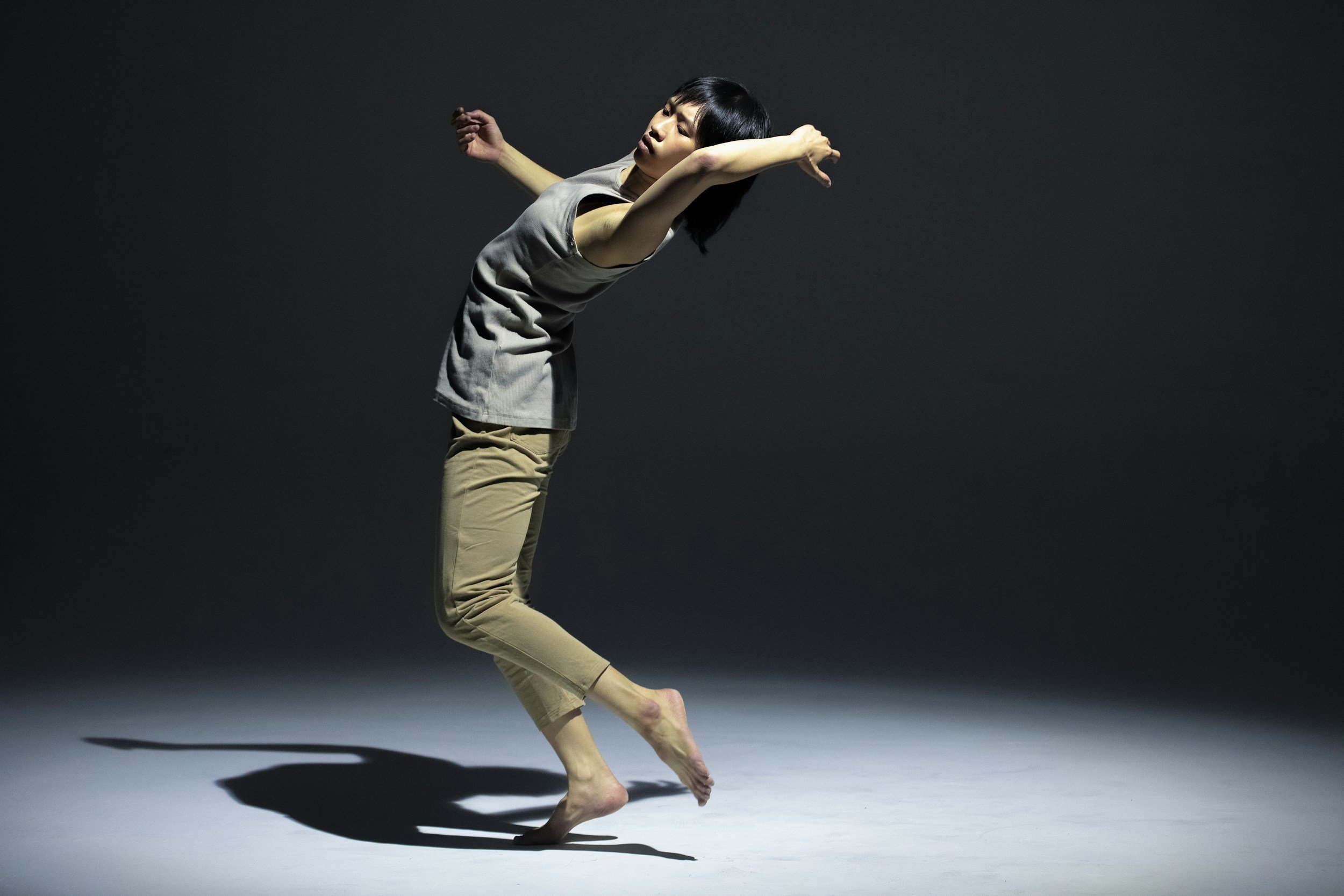
Free Style Tai Chi isn’t a rejection of tradition so much as a turbocharged remix. If your goal is to slip into flowstate and play with movement like an improvising musician, Free Style gives you a clearer, faster route than strictly regimented traditional forms.
Why Free Style gets you into flow
Less choreography, more choice. Traditional Tai Chi relies on fixed sequences—beautiful, disciplined patterns that train balance, coordination, and memory. Free Style borrows the same principles but removes the requirement to execute a prescribed sequence. When you’re not worrying about “which posture comes next,” attention can zero in on sensation, breath, and the evolving moment—prime ingredients for flow.
Immediate responsiveness. Flow thrives on clear feedback loops: action, sensory feedback, adjustment. Free Style encourages small, continuous responses to your weight shifts, breath, and intention. That responsiveness accelerates the feedback loop, so movement becomes an ongoing conversation instead of a recital.
Playful exploration. Flow favors intrinsic motivation and curiosity. Free Style invites experimentation—speed, rhythm, direction, and quality of movement are open to interrogation. That playful attitude reduces self-critique and increases absorption in the activity.
Personal musicality. Traditional forms cultivate alignment and structure; Free Style adds improvisation. You get to discover your own movement voice: staccato, legato, percussive, or sinewy. When movement feels like personal music, artistic rhythm emerges naturally.
How artistic rhythm grows faster in Free Style:
Micro-timing and phrasing. Free Style lets you play with micro-pauses, accents, and transitions. Those subtle timing choices create musical phrasing in motion—think of each weight shift as a beat and each breath as a bar line.
Dynamic contrast. Alternating effortless, slow flow with sudden, purposeful bursts creates contrast—one of the core tools of musicality. Free Style makes that contrast easy to try and refine in real time.
Improvisational structure. Rather than abandoning structure entirely, Free Style uses loose constraints—movement themes, a range of tempo, or a center of balance—to guide improvisation. Constraints paradoxically enhance creativity, producing tighter, more expressive rhythm.
Embodied listening. Free Style trains you to “listen” to your body and partner (if practicing with someone). That interoceptive awareness sharpens timing and coordination, building rhythm from the inside out.
When traditional Tai Chi still shines:
Traditional Tai Chi is invaluable for building fundamentals: alignment, joint health, proprioception, and discipline. It’s a marathon training your body and mind to move efficiently and safely. If you’re new, or rehabilitating, the structure of tradition provides a strong scaffold.
But for artists, movers, and anyone chasing flow, Free Style accelerates the journey. It preserves Tai Chi’s core principles—rooting, softness, mindful intent—while emphasizing improvisation, responsiveness, and personal expression.
Practical tips to shift toward Free Style and flow
Start with the basics. Warm up with a few slow traditional forms to connect the joints and breath, then let go.
Set a playful constraint. Limit yourself to three movement motifs or a tempo range. Constraints focus creativity.
Breathe with intention. Use long, even breaths to anchor presence—flow loves calm attention.
Small experiments, big feedback. Try a micro-variation for 10–20 seconds, notice how it feels, and iterate.
Record and reflect. Video a short session to see rhythmic patterns you didn’t notice in the moment.
Pair improvisation with sound. A simple drum loop or metronome can pull out emergent rhythm and cue phrasing.
Free Style Tai Chi isn’t an either/or choice against tradition; it’s a creative bridge that leads faster to flowstate and artistic rhythm. If you want to move like music—responsive, expressive, and joyfully improvised—Free Style hands you the baton. Keep the fundamentals, drop the script, and let your body find the music.