
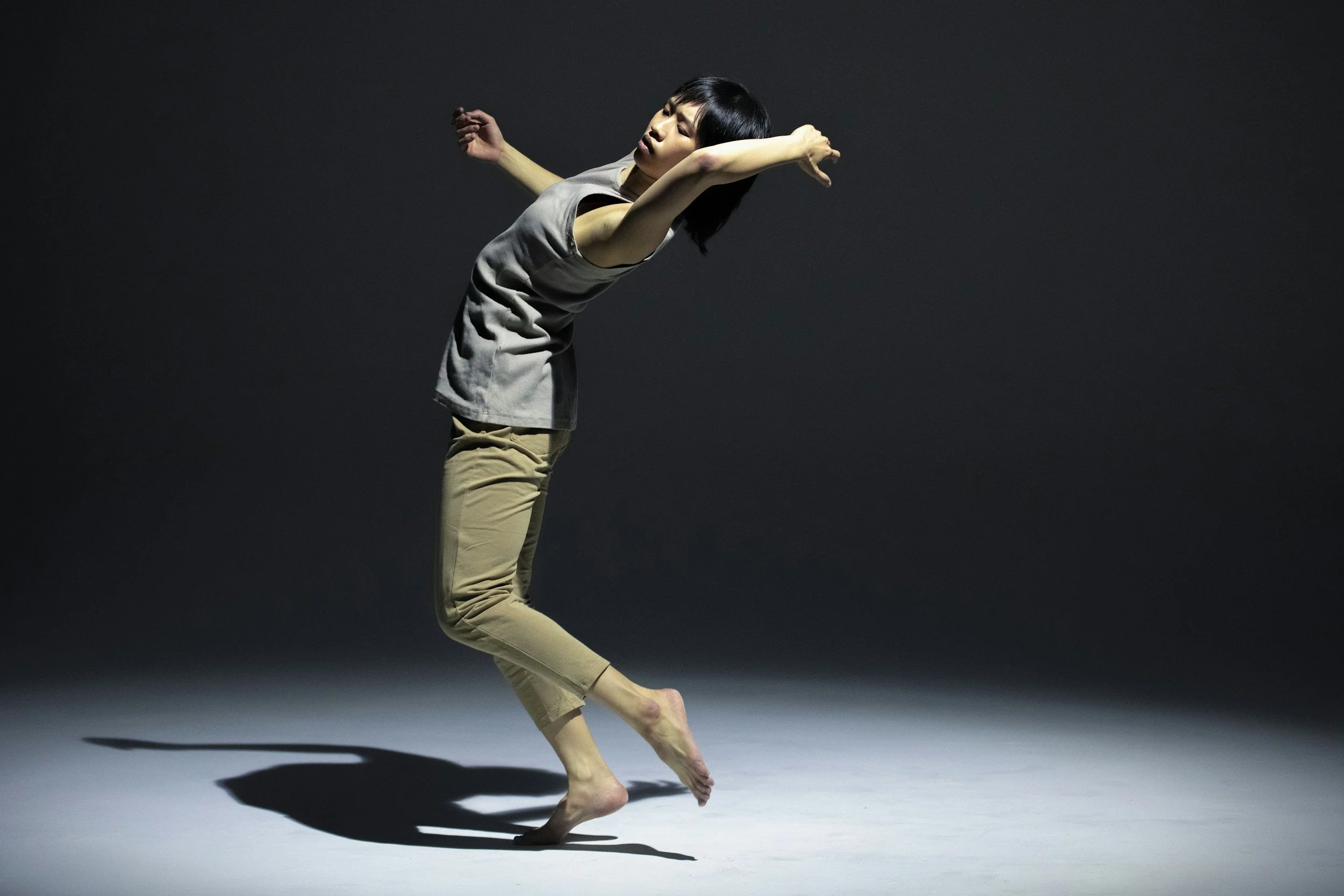
“When you lean into play, Qi Gong stops feeling like “workout math” and starts feeling like movement that remembers how to be fun.”
Move like a willow, not a wrench. That’s the spirit of a playful approach to Qi Gong — gentle, curious, and delightfully un-serious about being perfect. When you lean into play, Qi Gong stops feeling like “workout math” and starts feeling like movement that remembers how to be fun. The result? Real gains in physical mobility and in the creative parts of your life that love ease and flow.
Why play matters, stress and anxiety tighten the body. Muscles clamp down, joints stiffen, breathing shortens, and the mind gets bossy: “Do it right. Push harder. Hurry up.” Play flips the script. It relaxes the nervous system, invites curiosity, and reduces performance pressure. That relaxed state is exactly what the body needs to regain range of motion and for neurons to explore new movement patterns — without the interference of fear.
How playful Qi Gong loosens the body
Small, safe experiments: Instead of forcing deeper stretches, playful Qi Gong encourages tiny variations — tilt your head like a curious cat, sway as if you’re watching a kite. Those micro-movements let connective tissue and joints re-learn comfortable paths of motion.
Rhythm and breath as anchors: Gentle breath patterns and rhythmic gestures lower cortisol and invite fluidity. When breath and movement sync, joints lubricate and balance improves.
Curiosity over correctness: Trying a motion as a “what if” rather than a test removes the pressure that makes muscles guard. That lack of guarding equals more mobility.
Micro-play resets habits: Short, frequent sessions — a few minutes between emails or while waiting for the kettle — accumulate. Consistent playful practice gently remodels stiffness into supple ease.
How playful qi gong sparks artistic mobility Physical ease frees mental space. When the body isn’t clenching against stress, creative impulses get louder.
Playful Qi Gong:
Encourages experimentation: Movement labs invite improvisation, and improvisation translates to bolder artistic choices.
Builds confidence through small wins: Little discoveries — a freer shoulder, a lighter step — reinforce risk-taking in art.
Cultivates presence: Slow, attentive movement trains noticing, a key skill for artists observing texture, timing, and subtle change.
Connects imagination to movement: Visualizations common in qi gong (imagining light, water, or qi moving) double as creative prompts for writers, dancers, and visual artists.
Simple playful Qi Gong mini-routine (no expertise required)
Shake and wiggle: Stand with knees soft. Gently shake your hands, then your arms, then your whole body for 30–60 seconds. Make faces, move like music.
Sigh-and-sway: Inhale hands up like you’re reaching for a balloon; exhale with a playful “ha” and sway side to side. Do 6–8 cycles.
Cloud hands with a grin: Move your arms in a flowing figure-eight at chest height. Imagine catching clouds. Keep breath smooth and smile.
Tiny explorations: Slowly rotate one ankle, then the other. Bend the spine forward a few degrees, then backward. Each movement is a question, not a command.
Qi Gong practiced playfully does two things at once: it gently coaxes the body into more freedom, and it trains the mind to be lighter, more inventive, and less afraid of trying. The more you treat movement like a game, the more your body and art will move with the relaxed, creative grace of someone who’s both present and having a good time.