Creativity

Play Your Way to Better Tai Chi

Play Your Way to Better Tai Chi: How the Chinese Verb "Wan" Unlocks the Spirit of the Martial Arts

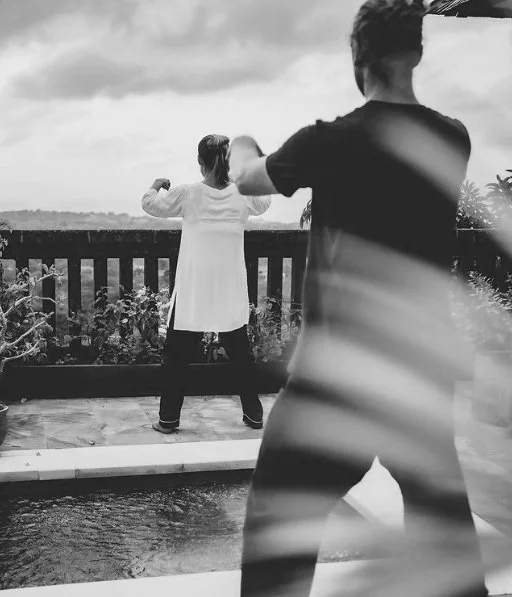
Tai chi is often associated with strict discipline, precise angles, and serious faces. However, the deepest traditional secret to mastering this ancient art lies in a completely different attitude: playfulness. In Mandarin Chinese, advanced practitioners often do not say they "practice" tai chi. Instead, they use the word wan (玩)—which literally means "to play." Shifting your mindset from rigid work to creative play can completely transform your practice, making it both more enjoyable and far more effective.

The True Meaning of Wan

In Western culture, play is often dismissed as something trivial or reserved only for children. In the context of Chinese internal martial arts, wan carries a profound, sophisticated meaning. It describes an attitude of lighthearted exploration, deep curiosity, and curiosity without anxiety over the final result.

When you wan tai chi, you treat the movements like a fascinating puzzle or a favorite toy. You turn it over in your hands, look at it from different angles, and experiment with it just to see what happens. This perfectly captures the true energy of tai chi because the art is fundamentally based on the concept of Yin and Yang—the continuous, fluid balancing of opposites. Play requires this exact same agility, adaptability, and spontaneous joy.

Why Hard Work Blocks Soft Power

Tai chi is famous for its "soft power," or jin. This unique strength does not come from tensing your muscles; it comes from deep physical relaxation and mental presence.

When you approach tai chi with a stressful "workout" mindset, your body naturally tightens up. You worry about getting the steps wrong, your shoulders shrug upward, and your breathing becomes shallow. This tension blocks the flow of internal energy (qi) and locks your joints.

By adopting a play-based mindset, you instantly trick your nervous system into letting go of stress. Play signals safety to your brain. When you feel safe, your muscles relax, your center of gravity drops, and you can finally experience the deep, fluid connectivity that tai chi promises.

Three Ways to Bring Play into Your Practice

Transforming your daily routine into a play-based practice does not require changing your form. It requires changing your intent.

  • Play with Structure: Instead of stressing over a perfectly straight back, pretend your spine is like a string of pearls suspended from Heaven, gently swaying in a breeze. Experiment with being slightly too heavy, then slightly too light, until you find the perfect, joyful middle ground.

  • Play with Visualizations: Tai chi movements have poetic names like "White Crane Spreads Its Wings" or "Repulse Monkey." Lean heavily into these images. Do not just move your arms; actually imagine the air resistance against your feathers, or feel the heavy, fluid density of moving through water.

  • Play with Partner Work (Tui Shou): Push hands practice is often ruined by competitiveness. If you approach it as a game to "win," you will stiffen up and resort to brute force. If you treat it as a physical conversation—a game of tag where the goal is to listen with your skin—you will naturally absorb and redirect your partner's force with ease.

The Ultimate Reward: Sustainable Joy

The biggest benefit of a play-based practice is simple longevity. When practice feels like a chore, you will eventually find excuses to skip it. When practice becomes your designated time to play, explore, and feel vibrant in your body, you will look forward to it every day. By learning to wan tai chi, you stop fighting yourself and finally start flowing.

The Soft Skill of Coaching

Coaches can unlock their creative potential by embracing a play-based approach to teaching human movement. This playful methodology prioritizes exploration and discovery, allowing athletes to engage with their bodies in an organic and instinctual manner. By incorporating games and fun drills, coaches can spark joy in movement, fostering a more profound connection between athletes and their physical capabilities. This approach not only enhances skill development but also ignites creativity in how athletes move, think, and react in various scenarios, making the learning process not only effective but enjoyable.

Incorporating play into coaching encourages coaches to think outside conventional training norms, inviting innovation in coaching strategies. By utilizing imaginative themes, playful challenges, and scenarios that mimic real-life situations, coaches can create an environment where athletes feel safe to experiment and take risks. This experimentation leads to a deeper understanding of movement mechanics and strategy, equipping athletes with the versatility needed to navigate competitive environments. Ultimately, a play-based approach not only cultivates creativity among coaches but also nurtures resilient, adaptable athletes ready to thrive.

Qi Gong Creative

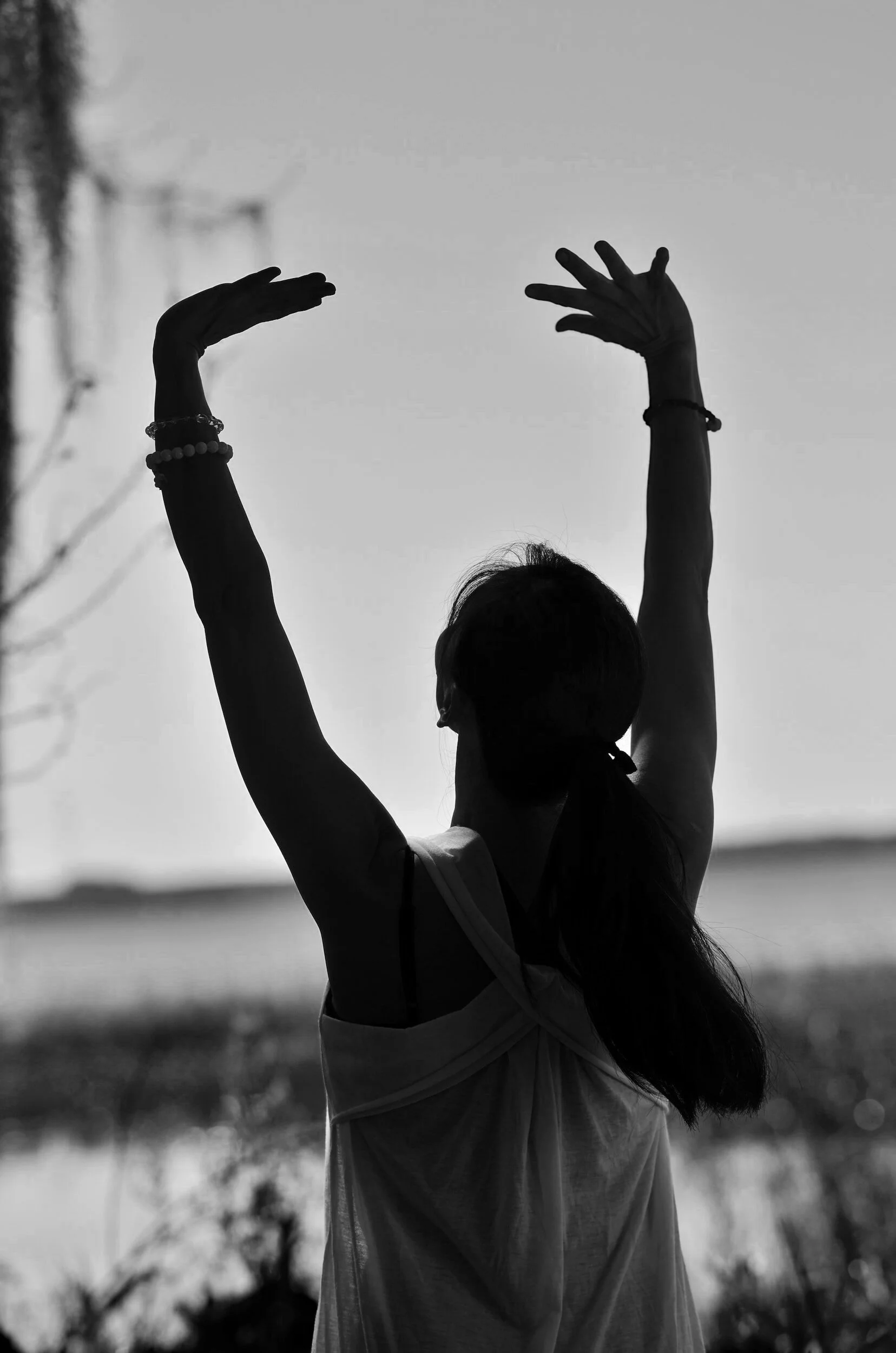
Qi Gong, an ancient practice that combines movement, breath, and meditation, fosters a unique state of relaxation that can significantly enhance creativity.

By promoting the flow of vital energy, or "qi," within the body, practitioners often experience increased mental clarity and emotional balance. This harmonious state can allow for more open and fluid thought processes, enabling individuals to access fresh ideas and innovative solutions that may have previously been obscured by stress or mental clutter. As the mind becomes more attuned to the present moment, it can more easily engage in spontaneous and imaginative thinking.

Furthermore, the rhythmic and mindful movements of Qi Gong can inspire a sense of playfulness and exploration, qualities that are essential for creative expression. As individuals immerse themselves in the practice, they learn to let go of rigid thinking patterns and embrace a more fluid approach to problem-solving. This cultivated mindset encourages experimentation and the willingness to take risks, both of which are vital components of the creative process. Through consistent practice, participants can establish a deeper connection with their inner selves, unlocking the potential for artistic and innovative breakthroughs that enrich their personal and professional lives.

Qi Gong for Creatives

The ancient practices of Qi Gong and Tai Chi can be incredibly beneficial for artists and creatives, both for their physical and mental/creative well-being. These mind-body disciplines incorporate slow, deliberate movements, focused breathing, and moving meditation.

Regular practice of Qi Gong and tai chi can enhance an artist's flexibility and range of motion. This is especially helpful for artists who spend a lot of time sitting or using repetitive motions, which can lead to tightness and pain. The improved flexibility can also contribute to better posture and alignment, reducing the risk of injuries.

Beyond the physical benefits, Qi Gong and tai chi can also cultivate a sense of inner peace and focus. The meditative aspects of these practices can help artists quiet their minds, reduce stress and anxiety, and improve their overall sense of well-being. This can lead to increased creativity, inspiration, and a deeper connection to their art form.

I’ll be running a Qi Gong for Creatives virtual workshop on Thursday May 23rd if you’d like to join. Details are here: Qi Gong for Creatives.

The Art of Strength

When Chip Conrad and I sit down together to discuss human movement our discussion usually turns towards strength, art and utility. Here’s a quick little video of a recent sit down in my very own Strength Garden.

We’ll be moving, playing and lifting at our upcoming Art of Strength workshop but I have a feeling there will be a fair share of physical culture philosophy and nostalgia.

Flux Lab April Workshop

Rediscover the joy of movement and find ways to weave play and creativity into your strength and movement practice: and vice versa.

Empower yourself to chart your own path and find joy and exploration whether you are a beginner or seasoned professional. Chip and I have combined 50 years of experience teaching human movement and physical expression.

Designed for the fitness enthusiast and professional trainer, Flux Lab workshops will teach you how to reinvigorate , revitalize and reinvent your training.

Let’s develop real skills and find ways to create a better relationship with your body through strength and movement.

We use, we steal and repurpose ideas, tools and resources from the old ways. You can register here: Flux Lab Workshops on April 29-30th.

We cultivate a way that is adaptive and alive to create a beautifully moving, adaptable and creative human being.
— Jason C. Brown


Rope Flows for Creativity

As you know I’m a very avid reader and Creativity is one of my favorite genres to research and study. I thought I’d share some highlights from two of my favorite books and walking and handcraft and its relationship to creativity.

The above highlight comes from Handmade- Creative Focus in the Age of Distraction.
It’s written by Gary Rogowski, a woodworker but his thoughts on creativity reaches well beyond just woodworking.

The two highlights above come from Rick Rubin’s new book The Creative Act.

These are the ropes I use mostly:

Flow Ropes (Amazon Brand)

Octomoves Flow Ropes

I’ll be doing some rope reviews shortly.

Living Life as an Artist

Living life as an Artist is a Practice.

You are either engaging in the practice or you are not.

It makes no sense to say you’re not good at it. It’s like saying, “ I’m not good at being a monk.” You are either living as a monk or you are not.

We tend to think of the Artist’s work as the output.

But.

The real work of the Artist is a way of being in the world.

Thank you Rick Rubin and The Creative Act.

Authentic Movement and Teaching

I know “Authenticity”is a buzz word right now. But it remains a great way to describe what it is that we’re searching for in our own creative movement practice or moving art.

It’s also what we’re searching for in our work. We want to present ourselves and our work as we are, authentically.

Everyone benefits when we show up as our selves. Below I share two stories from personal interactions I had with two younger coaches/teachers. Seeing them happier in their coaching/teaching profession warms my heart.

The video below is of a mentor of mine Linda from Fighting Monkey Practice.

Linda is a dancer and an incredible mover and teacher. I wanted to show you this video within the context of Authentic Movement. Now Linda could just give her students planks or push-ups to strengthen their core, shoulders and chest. Or, as she has done here, give those students something more playful, more artistic, more authentic to her own training and lineage.

Which one do you think her students enjoy more? Which one has more engagement and encourages physical expression? Which one will keep them coming back for more?

I speak much more about Fighting Monkey here: How to Get Smashed & Keep Going.

It's a shame we're outsourcing these.

It breaks me heart actually that we have and are completely outsourcing our own Creativity and Physicality.

When was the last time you allowed yourself to be bored? To let your own thoughts and imagination flow ?

I fully support learning from other folks and gathering resources and inspiration but there has to be a balance.

There has to be a time in our own lives where we stop the entertainment and channel surfing. And physically… we have basically stopped all skill work, even in relationship to movement and exercise. There is no skill associated with sitting on a seated leg extension machine and busting out some reps. Maybe useful in some rehab/prehab situations but unlikely...

Cooking and preparing our own food is a pain. We can't even clean or vacuum our own homes, we have to outsource that to little round robots. And then we complain that we have aches and pains. Yes we do, because we're doing less and less to actually nourish our tissues with movement.

We do not stop moving because we get old, we get old because we stop moving.