
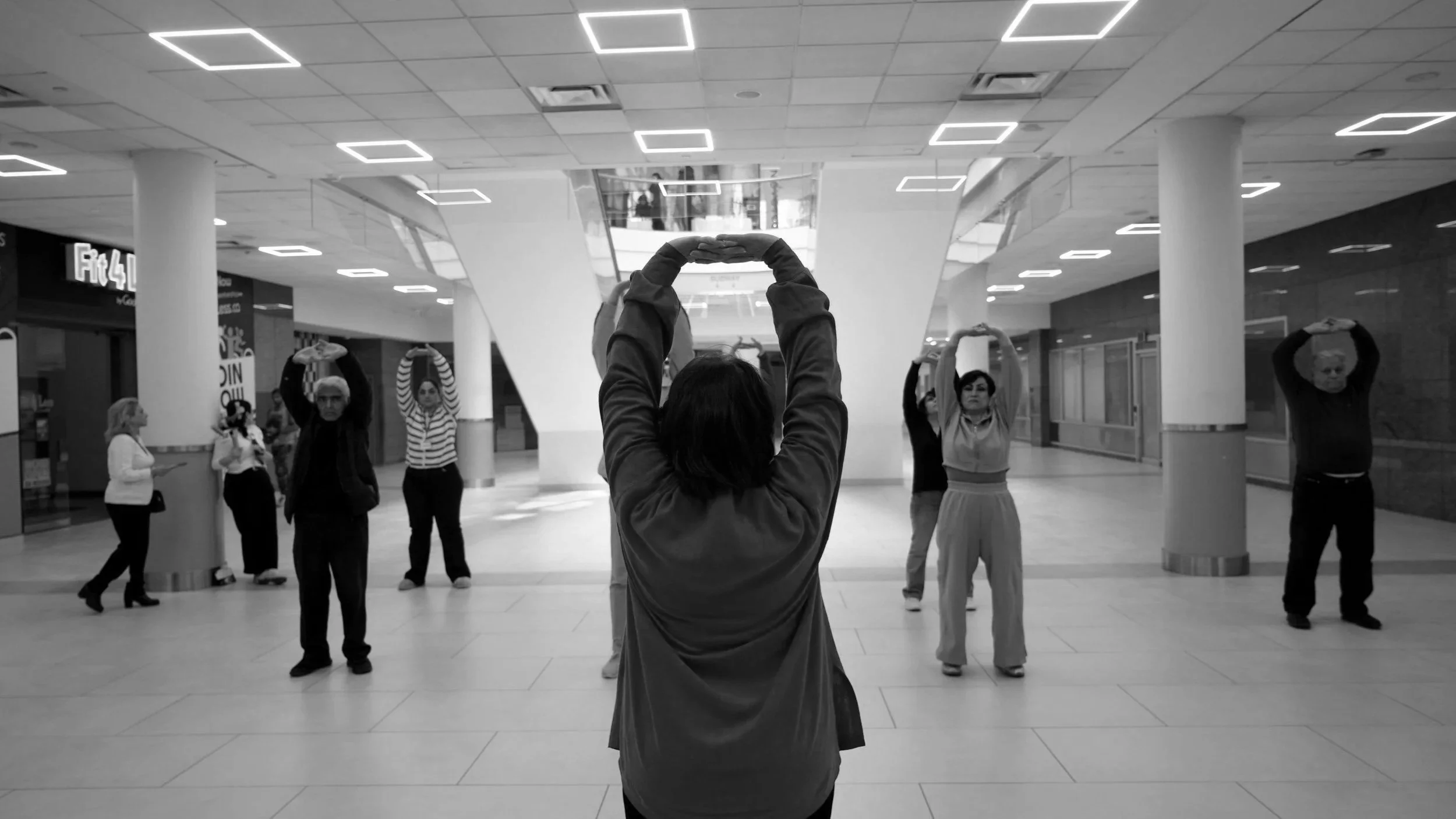
The soft arcs of Qi Gong and the flowing sequences of Free Style Tai Chi are movement arts that speak directly to an artist’s nervous system. For creators—painters, writers, designers, photographers—whose work depends on attention, openness, and a steady hand, these practices offer more than exercise: they offer a way to cultivate presence, reset creative energy, and bring fresh clarity to the next act of making.
Why movement matters to makers:
Align attention and body: Long studio hours or screen time can fragment focus. Qi Gong and Tai Chi use slow, intentional motions to synchronize breath and movement, calming the mind and making sustained attention easier. After a session, many artists report deeper immersion and fewer interruptions in creative flow.
Stimulate subtle perception: Both arts refine proprioception (body awareness) and sensory subtlety. That sensitivity translates to finer brushwork, more confident curves, and increased nuance in compositional choices.
Release creative blocks: Gentle, rhythmic movement encourages emotional processing. A short Qi Gong practice can soften anxiety that’s been muffling ideas; Tai Chi’s continuous flow helps untangle stuck thinking without forcing it.
Sustain the body of a maker: Repetitive tasks—holding a camera, leaning over a canvas, typing—create physical tension. Tai chi and qi gong build balance, joint mobility, and postural resilience, reducing pain that interrupts work.
How to include them in a weekly schedule
Keep it short and consistent: Two 20–30 minute sessions per week make a palpable difference. Even a 10-minute daily routine before starting work can prime creativity.
Morning or mid-day resets: Morning tai chi opens the day with calm focus; a mid-day qi gong set is perfect for breaking the slump and returning to the studio energized.
Pair practice with ritual: Use a practice as a pre-creation ritual—ten minutes of standing qi gong before painting, or a short tai chi circle before a writing block—to signal to your brain that the work period is beginning.
Adapt to the studio: No need for a large park. Both arts require little space. A quiet corner, a studio doorway, or a balcony will do.
Practical suggestions for creative types
Start with breath: Five minutes of slow, diaphragmatic breathing grounds the nervous system. Add a simple qi gong “cloud hands” variant to integrate movement.
Short form tai chi: Learn a 6–8 posture sequence to gain the benefits of flow without a steep time commitment.
Micro-practices between sessions: Do a standing balance posture or a few waist rotations between tasks to refresh circulation and focus.
Study with intention: Take a few lessons to learn alignment and safety. Once you know the basics, you can adapt movements to your body and schedule.
The creative benefits you’ll notice
Improved attention span and less reactivity
Smoother hand and arm movements for fine motor tasks
Deeper access to imagery and metaphor as inner tension relaxes
Greater stamina and fewer aches from long creative sessions
Qi Gong and Tai Chi give artists a gentle, embodied toolkit for sustaining their practice and expanding creative capacity. They are movement-based studios for the mind—quiet, playful, and surprisingly transformative. Try them weekly, and notice how your work begins to move with the same ease.